Managing Invasive Plants Before They Take Over
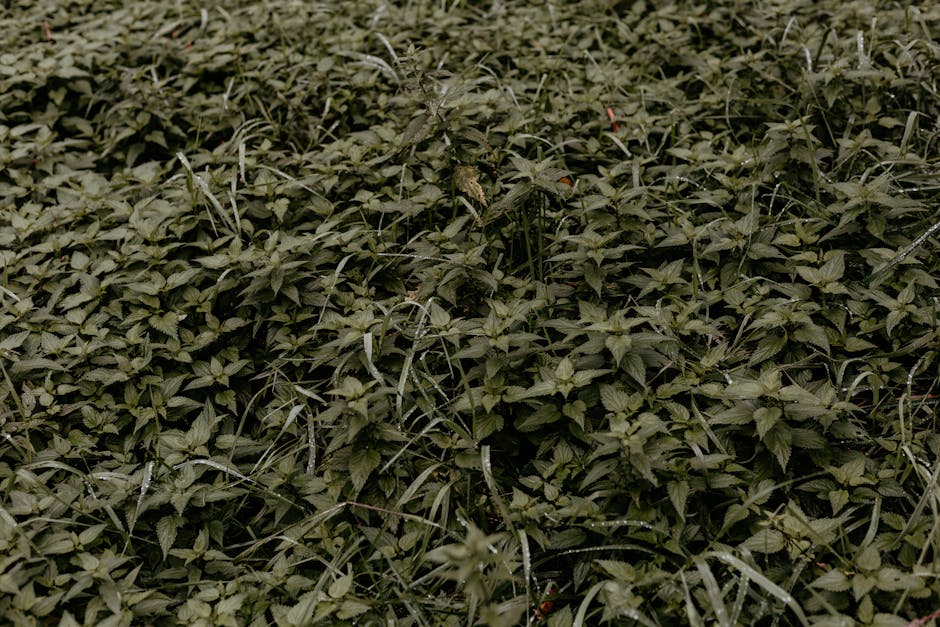
Invasive plants are non-native species that spread rapidly and outcompete native vegetation, damaging ecosystems and reducing biodiversity. In the UK, we face challenges from species like Japanese knotweed, giant hogweed, and Himalayan balsam. The key to managing invasive plants is early detection and swift action.
Why Invasive Plants Spread So Quickly
Invasive species thrive because they lack natural predators and diseases that would control them in their native habitats. They often grow faster than native plants, produce abundant seeds, and can regenerate from small fragments. Some spread through water systems, others through contaminated soil on equipment or footwear. Without intervention, a small patch can become a serious problem within just a few seasons.
Identification and Early Detection
The most cost-effective approach is spotting invasive plants early. Learn to recognise common problem species in your area. Japanese knotweed produces distinctive bamboo-like shoots in spring, while giant hogweed has enormous leaves and distinctive white flower clusters. Regular garden walks, particularly in spring and summer, help you catch new arrivals before they establish.
Removal Methods
Approach depends on the species and infestation size. Small patches may respond to careful hand-pulling, though you must remove all root fragments. Repeated cutting weakens plants over time but requires persistence. Herbicide application can be effective but must be used carefully to avoid harming desirable plants. For serious infestations, professional contractors with specialist equipment may be necessary.
Prevention Strategies
Preventing invasive plant establishment is far easier than removing them later. Keep garden areas well-stocked with desirable plants—dense planting leaves little space for invasives to establish. Check imported soil, mulch, and plants for unwanted seeds or fragments. Clean garden tools, shoes, and vehicle undercarriage after working in areas with invasive species to avoid spreading them elsewhere.
Legal Considerations
Some invasive plants, particularly Japanese knotweed, have legal implications. You may be liable if invasive plants from your property spread to neighbouring land. Certain species must be reported to local authorities. Always check current regulations before disposing of invasive plant material.
Long-Term Management
Eradicating established invasive plants takes patience and consistency. You may need multiple treatment cycles over several seasons. Monitoring the site after treatment is essential, as dormant seeds can germinate months or years later. Replacing invasives with native plants helps restore ecological function and prevents reinfestation.